

Hey there! As a supplier of rubber pads, I often get asked about the fatigue life of these nifty little products. So, I thought I'd sit down and write a blog post to share what I know.

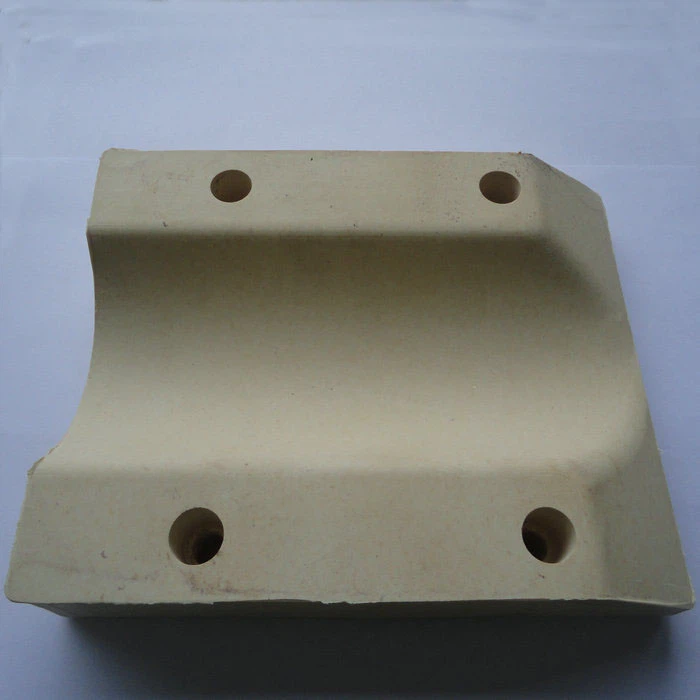
First off, let's talk about what fatigue life actually means. In simple terms, the fatigue life of a rubber pad is how long it can withstand repeated stress and strain before it starts to break down or fail. This is super important because rubber pads are used in all sorts of applications where they're constantly being pushed, pulled, or vibrated.
There are a bunch of factors that can affect the fatigue life of rubber pads. One of the biggies is the type of rubber used. Different rubber compounds have different properties, and some are more resistant to fatigue than others. For example, natural rubber is known for its high elasticity and good fatigue resistance, but it might not hold up as well in harsh chemical environments. On the other hand, synthetic rubbers like nitrile rubber (NBR) and ethylene propylene diene monomer (EPDM) offer better resistance to chemicals and heat, which can also impact fatigue life.
The design of the rubber pad also plays a huge role. The shape, thickness, and the way it's molded can all influence how well it can handle repeated loads. A well - designed pad will distribute stress evenly across its surface, reducing the chances of localized fatigue and failure. For instance, if a rubber pad has sharp corners or thin sections, these areas are more likely to experience stress concentrations, which can shorten its fatigue life.
The operating conditions are another key factor. Temperature, humidity, and the amount of stress the pad is subjected to on a regular basis can all take a toll on its durability. High temperatures can cause the rubber to degrade more quickly, while excessive humidity can lead to swelling and loss of mechanical properties. And of course, if the pad is constantly being overloaded, it's going to wear out faster.
Let's take a look at some common applications of rubber pads and how fatigue life matters in each one.
Automotive Applications
In the automotive industry, rubber pads are used in a variety of places. One example is the Rubber Brake Pedal Pad Covers. These pads are constantly being pressed down by the driver's foot every time they brake. Over time, the repeated compression and release can cause the rubber to fatigue. If the fatigue life of these pads is too short, they might start to crack or lose their grip, which can be a safety hazard.
Another automotive use is in engine mounts. Engine mounts are rubber pads that isolate the engine from the vehicle's frame, reducing vibrations and noise. They have to withstand a lot of stress from the engine's movement, as well as the heat generated by the engine. A long fatigue life is crucial here because if an engine mount fails, it can lead to increased vibrations, damage to other components, and a less comfortable driving experience.
Railway Applications
When it comes to railways, Rubber Vibration Pad for Railway are essential. These pads are used to absorb vibrations and shocks from the passing trains. Trains are heavy, and the constant impact and vibration can put a lot of stress on the rubber pads. If the fatigue life of these pads is insufficient, they can break down, leading to increased noise, more wear and tear on the railway tracks, and potential safety issues.
Industrial Machinery
In industrial settings, rubber pads are often used as Rubber Shock Absorber Pads. They protect machinery from shocks and vibrations, which can damage sensitive components. The pads are subjected to repeated impacts, and their fatigue life determines how long they can effectively do their job. A short fatigue life means more frequent replacements, which can be costly and disrupt production.
So, how do we determine the fatigue life of rubber pads? Well, there are several testing methods. One common method is the fatigue testing machine, which applies a repeated load to the rubber pad at a specific frequency and amplitude. The test continues until the pad fails, and the number of cycles it can withstand is recorded as its fatigue life.
Another approach is to use accelerated aging tests. These tests expose the rubber pads to harsh conditions, such as high temperatures and humidity, for a shorter period of time to simulate long - term use. By analyzing the changes in the rubber's properties after the accelerated aging test, we can estimate its fatigue life under normal operating conditions.
As a rubber pad supplier, I understand the importance of providing high - quality products with a long fatigue life. That's why we use the best rubber compounds, state - of - the - art manufacturing processes, and rigorous testing procedures to ensure our pads meet the highest standards.
If you're in the market for rubber pads, whether it's for automotive, railway, or industrial applications, you want to make sure you're getting pads with a long fatigue life. This will save you money in the long run by reducing the need for frequent replacements and minimizing downtime.
If you have any questions about our rubber pads or want to discuss your specific requirements, feel free to reach out. We're always happy to have a chat and help you find the right solution for your needs. Whether you need a small batch of custom - made pads or a large - scale supply, we've got you covered. So, don't hesitate to contact us and start a conversation about your rubber pad needs.
References
- "Rubber Technology: Compounding, Testing, and Applications" by John W. Sweeney
- "Handbook of Elastomers" edited by Brian M. Walker and Charles P. Rader