

Hey there! I'm a supplier of rubber seals, and today I want to dig into a question that often pops up: Can rubber seals be used in food - grade applications?
Let's start by understanding what food - grade applications mean. In simple terms, food - grade means that a product is safe to come into contact with food. This is super important because any material that touches our food can potentially transfer harmful substances, and we definitely don't want that! There are strict regulations and standards set by organizations like the Food and Drug Administration (FDA) in the United States to ensure the safety of materials used in food - related products.
Now, let's talk about rubber seals. Rubber is a versatile material, and it's used in all sorts of industries. But when it comes to food - grade applications, not all rubber seals are created equal.
First off, the type of rubber matters a lot. There are several types of rubber commonly used for seals, such as nitrile, neoprene, and silicone.
Nitrile rubber is known for its excellent resistance to oil and fuel. It's widely used in automotive and industrial applications. However, not all nitrile rubber is suitable for food - grade use. But there are food - grade nitrile O - rings available. You can check out Nitrile O - Rings to see some options that are designed to meet the necessary safety standards for food contact. These food - grade nitrile O - rings are made from materials that are free from harmful chemicals and additives that could leach into food. They are often used in food processing equipment, like pumps and valves, where they need to seal against liquids and maintain a tight barrier.
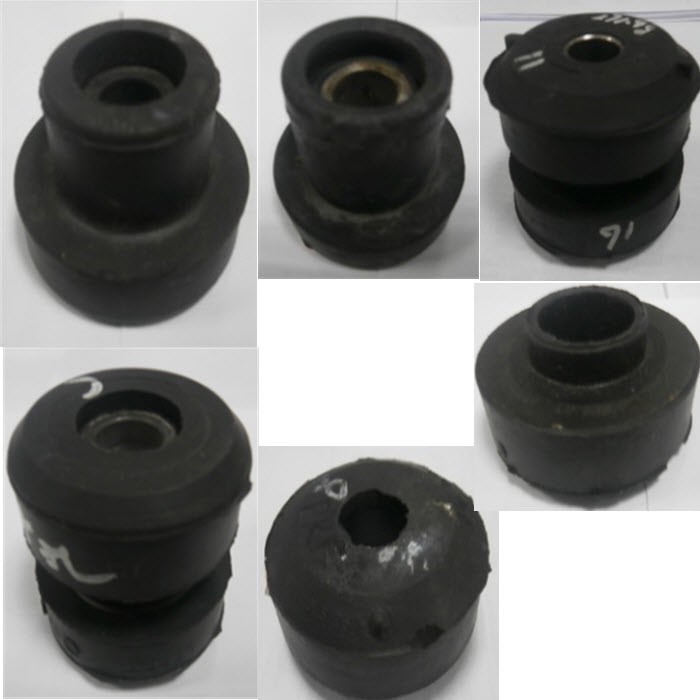
Neoprene rubber is another popular choice. It has good resistance to weather, ozone, and chemicals. Neoprene rubber flanged bushings can also be used in certain food - grade applications. Neoprene Rubber Flanged Bushings that are food - grade compliant are made with materials that are safe for food contact. They can be used in equipment where a flexible and durable seal is required, and the risk of food contact is present. For example, in some food packaging machinery, these bushings can help ensure a proper seal and prevent any leakage.
Silicone rubber is often considered one of the best options for food - grade applications. It's non - toxic, odorless, and has excellent heat resistance. Silicone seals can withstand high temperatures without degrading or releasing harmful substances. They are commonly used in baking molds, food storage containers, and kitchen appliances. Silicone is also very flexible, which makes it easy to form into different shapes of seals.
But just having the right type of rubber isn't enough. The manufacturing process also plays a crucial role. To make rubber seals suitable for food - grade applications, manufacturers need to follow strict procedures. This includes using clean production facilities, proper handling of raw materials, and thorough testing. The rubber needs to be cured and processed in a way that doesn't introduce any contaminants. For example, during the curing process, the temperature and time need to be carefully controlled to ensure that the rubber reaches the right properties without leaving behind any unreacted chemicals.
Another important aspect is the additives used in the rubber. Some additives are used to improve the properties of rubber, such as its hardness or flexibility. But in food - grade rubber seals, only approved additives can be used. These additives are carefully selected to ensure that they are safe for food contact. For instance, some rubber may use antioxidants to prevent it from aging too quickly. In food - grade rubber, the antioxidants used must be non - toxic and not leach into food.
Testing is a key part of ensuring that rubber seals are suitable for food - grade applications. Seals need to be tested for various properties, including their chemical composition, migration of substances, and physical properties. Migration testing is particularly important. It measures how much of the rubber's components can migrate into food under different conditions, such as different temperatures and contact times. If the migration levels are within the acceptable limits set by the regulatory authorities, then the seal is considered safe for food contact.
Now, let's talk about some of the challenges in using rubber seals in food - grade applications. One of the main challenges is maintaining the integrity of the seal over time. Food processing environments can be harsh, with exposure to high temperatures, moisture, and different types of food products. Rubber seals need to be able to withstand these conditions without deteriorating. For example, in a dairy processing plant, the seals need to resist the acidic nature of some dairy products and the high - temperature cleaning processes.

Another challenge is cost. Food - grade rubber seals often cost more than their non - food - grade counterparts. This is because of the higher - quality raw materials, strict manufacturing processes, and extensive testing required. However, the cost is justified when it comes to ensuring the safety of food products.
In addition to the common types of rubber seals, there are also some specialized rubber seals that can be used in food - grade applications. For example, rubber vibration isolator mounts can be used in food processing equipment. These mounts not only provide a seal but also help reduce vibration and noise. Rubber Vibration Isolator Mounts for Engine can be adapted for food - grade use in equipment like mixers and grinders, where vibration control is important.
So, to answer the question, yes, rubber seals can be used in food - grade applications, but it depends on several factors. The type of rubber, the manufacturing process, the additives used, and the testing all need to meet the strict requirements for food safety.
If you're in the food industry and looking for reliable food - grade rubber seals, we can help. We have a wide range of rubber seals that are designed and tested to meet the highest standards for food - grade applications. Whether you need nitrile O - rings, neoprene rubber flanged bushings, or silicone seals, we've got you covered. Reach out to us to discuss your specific requirements and start a procurement negotiation. We're here to provide you with the best solutions for your food - grade sealing needs.
References
- "Food Contact Materials: A Review of Regulations and Safety Assessment" by various authors in a scientific journal.
- FDA regulations on food contact substances.
- Industry standards for rubber materials used in food applications.