

Hey there! As a supplier of rubber pads, I often get asked if rubber pads are chemical resistant. It's a great question, and one that I'm more than happy to dive into.
First off, let's talk about what chemical resistance means. When we say a material is chemical resistant, it means that it can withstand exposure to certain chemicals without significant degradation or damage. This is super important in a lot of industries, where rubber pads might come into contact with all sorts of substances.
Now, the chemical resistance of rubber pads depends on a few key factors. One of the biggest factors is the type of rubber used. There are several different types of rubber out there, each with its own unique properties and levels of chemical resistance.
For example, Nitrile rubber is known for its excellent resistance to oils, fuels, and many chemicals. It's commonly used in applications where it might come into contact with these substances, like in automotive and industrial settings. If you're looking for rubber pads that can handle exposure to oils and fuels, Nitrile rubber could be a great choice. You can check out our Rubber Brake Pedal Pad Covers, which are made from high - quality rubber and offer good chemical resistance for this type of environment.
On the other hand, EPDM rubber is highly resistant to weathering, ozone, and many chemicals, especially polar chemicals. It's often used in outdoor applications and in areas where it might be exposed to water and certain cleaning agents. Our Rubber Shock Absorber Pads made from EPDM rubber are a great option for applications where you need both shock absorption and chemical resistance in a variety of conditions.
Silicone rubber is another type that has good chemical resistance, especially to high - temperature environments and some chemicals. It's often used in food - grade applications and in electronics because of its non - toxic nature and ability to withstand certain chemicals.
But it's not just about the type of rubber. The formulation of the rubber also plays a huge role. Manufacturers can add different additives to the rubber to enhance its chemical resistance. These additives can help the rubber better withstand the effects of specific chemicals. For instance, some additives can make the rubber more resistant to acids or alkalis.
The concentration and duration of chemical exposure also matter. Even a highly chemical - resistant rubber pad can be damaged if it's exposed to a very high - concentration chemical for a long time. For example, a rubber pad that can handle a mild solution of a certain chemical might start to break down if it's constantly submerged in a concentrated version of that chemical.
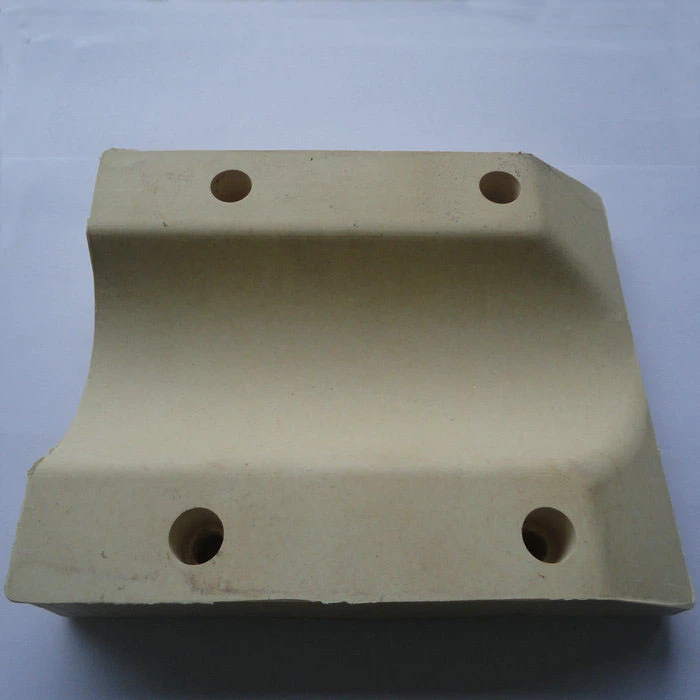

In industrial settings, rubber pads are used in a wide range of applications where chemical resistance is crucial. In the chemical processing industry, rubber pads are used to seal pipes and valves to prevent leaks of chemicals. They need to be able to withstand the specific chemicals being processed. In the pharmaceutical industry, rubber pads are used in equipment where they might come into contact with various drugs and cleaning agents.
In the automotive industry, rubber pads are used in areas like the engine compartment, where they can be exposed to oils, coolants, and other chemicals. Our Rubber Brake Pedal Pad Covers are designed to handle the chemicals present in the braking system and the general automotive environment.
In the railway industry, rubber pads are used for vibration isolation. Our Rubber Vibration Pad for Railway needs to be resistant to chemicals like lubricants, cleaning agents, and the elements. They are exposed to all sorts of conditions, and chemical resistance is an important part of their performance.
When choosing rubber pads for a specific application, it's essential to consider the chemical environment they'll be in. You need to know what chemicals they'll come into contact with, how often, and at what concentrations. This will help you select the right type of rubber and formulation.
We've done a lot of testing on our rubber pads to ensure their chemical resistance. We expose them to different chemicals in controlled environments and monitor their performance over time. This allows us to provide accurate information to our customers about which rubber pads are suitable for their specific needs.
If you're in an industry where chemical resistance is a must, don't hesitate to reach out. We're here to help you find the perfect rubber pads for your application. Whether you need pads for a small project or a large - scale industrial operation, we've got you covered.
In conclusion, rubber pads can be chemical resistant, but it depends on the type of rubber, the formulation, and the specific chemical environment. By choosing the right rubber pads and understanding their limitations, you can ensure a long - lasting and reliable solution for your needs. So, if you're in the market for rubber pads with excellent chemical resistance, give us a shout. We're ready to work with you to find the best fit for your requirements.
References:
- "Handbook of Rubber Technology" by K. George Thomas
- "Rubber Compounding: Principles, Materials, and Processes" by Maurice Morton