

Choosing the right NBR (Nitrile Butadiene Rubber) seal for your application can be a bit of a head - scratcher. But don't worry! As an NBR seal supplier, I'm here to walk you through the process.
First off, let's talk about what NBR seals are. NBR is a synthetic rubber that's a popular choice for seals because it offers a great balance of properties. It has good resistance to oil, fuel, and other petroleum - based fluids, which makes it suitable for a wide range of applications. Plus, it's relatively inexpensive compared to some other types of rubber, so it's a cost - effective option.
Understanding Your Application Requirements
The very first step in choosing the right NBR seal is to understand your application requirements. You need to think about a few key factors.
Temperature Range
The temperature at which your seal will operate is crucial. NBR seals generally work well in a temperature range of about - 40°F to 212°F (- 40°C to 100°C). But if your application involves higher or lower temperatures, you might need to look into other options. For example, if you're dealing with high - temperature applications, you could consider Viton Washers. Viton has a much higher temperature resistance compared to NBR, making it a better fit for extreme heat.
Fluid Compatibility
What kind of fluids will the seal come into contact with? As I mentioned earlier, NBR is great for oil and fuel. But if you're working with chemicals like acids or solvents, NBR might not be the best choice. You need to check the chemical compatibility of NBR with the specific fluids in your application. There are plenty of chemical compatibility charts available online that can help you with this. If you're in a situation where you need a seal for a more aggressive chemical environment, Viton Flat Washers could be a better option, as Viton has better chemical resistance.
Pressure
The pressure in your system also matters. NBR seals can handle a certain amount of pressure, but if you have a high - pressure application, you need to make sure the seal you choose can withstand it. You might need to look for seals with a higher durometer (hardness). A harder NBR seal will generally be able to handle more pressure, but it might also be less flexible.
Movement and Wear
Is there any movement or vibration in your application? If so, the seal needs to be able to withstand wear and tear. NBR has good abrasion resistance, but in applications with a lot of movement, you might want to consider a seal with a special surface treatment or a different compound formulation to improve its durability.
Seal Design and Size
Once you've got a good understanding of your application requirements, it's time to think about the seal design and size.
Design
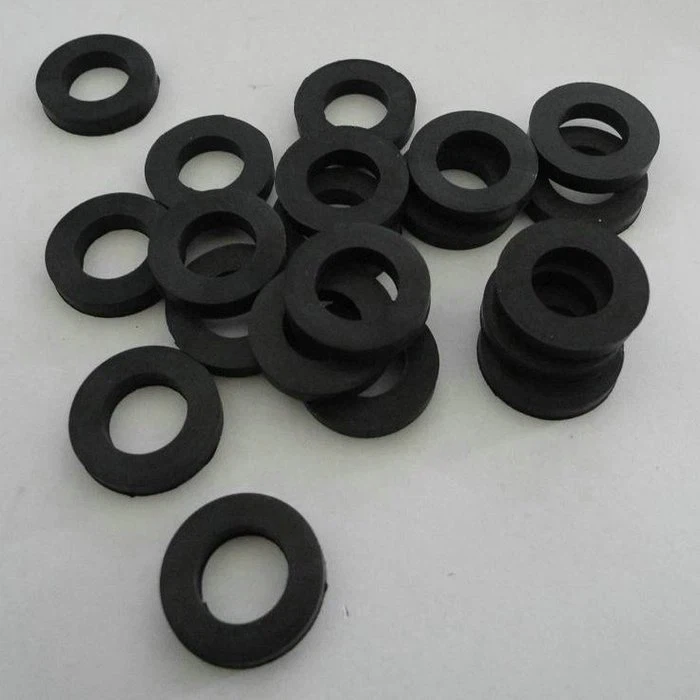
There are different types of NBR seals, such as O - rings, gaskets, and washers. The design you choose depends on the specific needs of your application. For example, O - rings are great for dynamic applications where there's movement, while gaskets are often used for static applications to create a tight seal between two surfaces. Neoprene Washers are another option. They can be used in a variety of applications to provide a cushioning effect and prevent leakage.
Size
Getting the right size is crucial. A seal that's too small won't create a proper seal, and one that's too large might not fit properly. You need to measure the dimensions of the area where the seal will be installed accurately. Make sure to consider factors like the groove size, shaft diameter, and housing bore size.
Quality and Manufacturer
The quality of the NBR seal is also very important. You want to make sure you're getting a high - quality product that will perform well and last a long time.

Reputation of the Manufacturer
Choose a manufacturer with a good reputation. Look for reviews and testimonials from other customers. A reliable manufacturer will have strict quality control processes in place to ensure that their seals meet the required standards.
Testing and Certification
Ask about the testing and certification of the seals. Reputable manufacturers will test their seals for things like hardness, tensile strength, and fluid compatibility. They should also be able to provide you with certification to prove that the seals meet the relevant industry standards.
Cost - Benefit Analysis
Finally, you need to do a cost - benefit analysis. While NBR seals are generally cost - effective, you still need to consider the overall cost of the seal in relation to its performance.
Initial Cost
The initial cost of the seal is important, but don't just go for the cheapest option. A low - quality seal might end up costing you more in the long run if it fails prematurely and causes downtime or damage to your equipment.
Long - Term Cost
Think about the long - term cost. A high - quality NBR seal might cost a bit more upfront, but it could save you money in the long run by lasting longer and reducing the need for frequent replacements.
Conclusion
Choosing the right NBR seal for your application is a process that requires careful consideration of your application requirements, seal design and size, quality, and cost - benefit. By taking the time to understand these factors and doing your research, you can make an informed decision.
If you're still not sure which NBR seal is right for your application, don't hesitate to reach out. As an NBR seal supplier, I have the expertise and experience to help you find the perfect seal for your needs. Contact me for more information and let's start a conversation about your specific requirements.
References
- "Handbook of Elastomers" by A. Y. Coran
- Various industry standards and chemical compatibility charts